

A great journey through a city begins long before you step onto its streets. It starts with curiosity, awareness, and the willingness to notice details most people rush past.
In this guide, you’ll learn best city explorer tips that transform ordinary travel into a deeper, more meaningful experience filled with discovery, comfort, and confidence.
Understanding the City Explorer Mindset
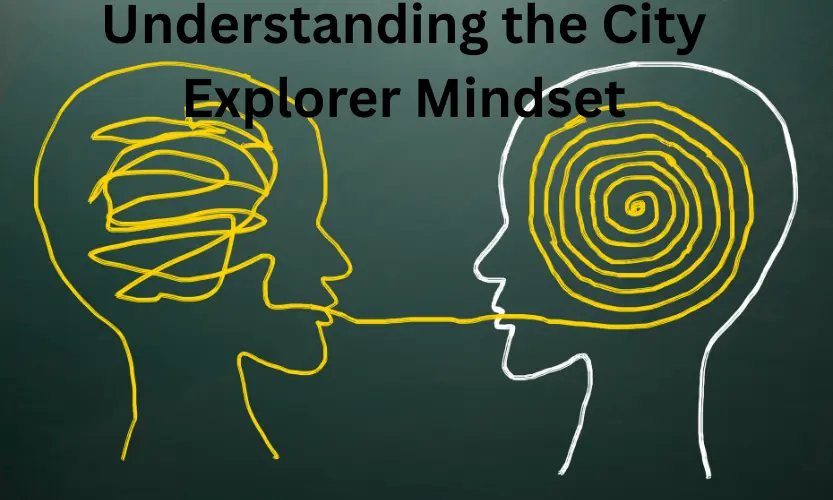
Exploring a city is not just movement from one attraction to another—it is a way of seeing. The difference between a tourist and a true city explorer lies in attention. A tourist collects photos; an explorer collects experiences.
The first shift is slowing down mentally. Cities are layered with stories: architecture, street sounds, food aromas, and human behavior. When you approach a place with curiosity instead of a checklist, you begin to notice patterns—how locals commute, where they relax, and what spaces feel alive at different hours of the day.
A strong explorer mindset also embraces unpredictability. Not every turn needs a plan. Sometimes the best discoveries happen when you take a street you didn’t intend to walk down.
Planning Before You Step Out
Good exploration begins before you leave your accommodation. Planning does not limit freedom—it expands it. Knowing the structure of a city helps you move confidently without wasting time.
Research Neighborhoods, Not Just Attractions
Instead of focusing only on famous landmarks, study neighborhoods. Every city has districts with distinct personalities. Some areas are artistic and colorful, others historical and quiet, while some are modern and fast-paced.
When you understand this, you stop jumping randomly between tourist spots and start experiencing the city in meaningful clusters.
Map Out Flexible Routes
Rigid schedules often fail in real environments. Instead of planning minute-by-minute, design flexible walking loops. Choose a central point and plan circular routes around it so you can adjust direction easily.
Leave space for pauses—cafés, parks, street markets, or unexpected discoveries.
Understand Local Transport Early
Even if you prefer walking, understanding buses, trains, or metro systems gives you backup options. It also helps you reach areas that are too far on foot but still worth exploring.
Walking Strategy: The Heart of City Exploration
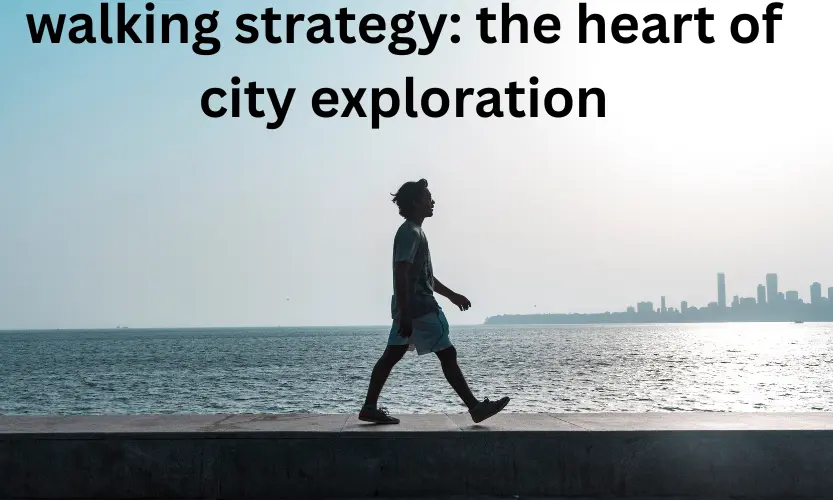
Walking is the most powerful tool for any city explorer. It slows time and opens perception. Instead of rushing, adopt a “drift walking” technique—move with intention but allow detours. If something looks interesting, follow it. A narrow alley, a local crowd, or a small bakery can become the highlight of your day.
Change your walking pace throughout the day. Morning walks reveal calm streets and fresh energy. Afternoon walks show activity and commerce. Evening walks uncover nightlife, social gatherings, and illuminated architecture.
Food Exploration: Eating Like a Local
Food is one of the fastest ways to understand a city’s identity. Instead of choosing familiar chains, explore local eateries, street stalls, and small family-run restaurants.
Try dishes you cannot easily pronounce or recognize. Every city has signature foods shaped by history, climate, and culture. Even a simple meal can reveal layers of tradition. Also, don’t rush meals. Sitting and observing your surroundings adds context to what you’re eating.
Discovering Hidden Gems
Hidden gems are not always secret places—they are often overlooked ones. A quiet courtyard, an old bookstore, or a small park can hold more character than famous attractions.
Talk to locals casually. Ask simple questions like where they relax or eat on weekends. These conversations often lead to unexpected recommendations.
Another method is observation. Look for places that attract locals rather than tourists. A busy café filled with residents is often a strong indicator of authenticity.
Safety Without Overthinking It
Smart exploration includes awareness, not fear. Cities are generally safe for those who stay alert and respectful of surroundings. Keep essential belongings secure and avoid displaying valuables openly in crowded areas. Trust your instincts—if a place feels uncomfortable, simply move on.
It also helps to understand basic local norms. Dressing appropriately and respecting cultural behavior reduces unwanted attention and helps you blend in more naturally. Night exploration can be enjoyable, but stick to well-lit and populated areas if you are unfamiliar with the city layout.
Budget Optimization for City Exploration
Exploring a city does not require excessive spending. In fact, many meaningful experiences are free.
Public parks, walking tours, street performances, and open markets often provide rich cultural exposure without cost. Use public transport instead of taxis when possible. It is not only cheaper but also gives insight into daily life.
Food budgeting can be balanced by mixing affordable local meals with occasional dining experiences. This allows you to enjoy variety without overspending.
Photography and Storytelling on the Go
Capturing a city is not just about taking pictures—it is about telling a story through visuals and memories. Instead of focusing only on landmarks, document everyday life: street vendors, textures of walls, reflections in windows, or people moving through intersections.
Morning light often creates softer, more natural photos, while evening light adds drama and contrast.
Keep your camera or phone ready, but don’t let it disconnect you from the moment. Sometimes the best memory is the one you experience without a lens. Write small mental notes or journal entries about places you visit. These details help you remember emotions, not just visuals.
Common Mistakes City Explorers Make
Many travelers unintentionally limit their experience by following predictable habits. One common mistake is overplanning. A packed itinerary leaves no space for spontaneity, which is often where real discovery happens.
Another mistake is sticking only to famous attractions. While landmarks are important, they do not represent the full identity of a city.
Some travelers also avoid local interaction due to hesitation or language barriers. However, even simple communication can open unexpected doors. Lastly, rushing through locations reduces depth. A city is not meant to be consumed quickly—it is meant to be absorbed gradually.
Advanced City Exploration Tactics
Start visiting the same city at different times of day. Morning, afternoon, and night versions of the same street can feel completely different.
Try themed exploration days: one day focused on food, another on architecture, another on cultural spaces. This creates deeper understanding rather than scattered impressions.
Another advanced technique is “no-phone walking” for short periods. It forces you to rely on observation instead of digital guidance, sharpening awareness.
Emotional Connection With a City
A truly memorable experience happens when you emotionally connect with a place. This connection often develops unexpectedly—a conversation with a stranger, a quiet moment in a park, or watching city lights at night.
When you stop treating a city as a destination and start experiencing it as a living environment, your perspective changes. You begin to notice rhythm, personality, and mood.
Every city has a unique emotional signature. Some feel energetic and loud, others calm and reflective. Recognizing this helps you adapt your exploration style accordingly.
You may also like these
Powerful Best Destination Guide Tips for an Unforgettable Adventure
Proven Travel Destination Guide for Beginners Tips for Stress-Free Adventures
Powerful Top Destination Guide Ideas That Will Transform Your Next Adventure
Powerful City Destination Guide List Ideas for Unforgettable Travel
Powerful Budget Destination Guide Travel Secrets for Unforgettable Adventures
Building Your Own Exploration Style
There is no single correct way to explore a city. Over time, you develop a personal rhythm. Some people prefer slow wandering, others prefer structured discovery with breaks.
The key is balance between curiosity and comfort. You should feel free but not lost, curious but not overwhelmed. Your style will evolve with experience. The more cities you explore, the more intuitive your decisions become.
Conclusion
City exploration is less about distance covered and more about depth experienced. Every street has something to offer if you are willing to notice it. The best journeys are not defined by famous landmarks but by the small, unexpected moments that stay in memory long after the trip ends.
In the end, mastering best city explorer tips is not just about travel—it is about learning how to see the world with greater attention, patience, and appreciation for the life unfolding around you.
FAQs
What are the best city explorer tips for beginners?
Start with map planning, local transport research, and focusing on walkable areas to experience the city deeply without stress.
How can I explore a city like a local?
Use public transport, visit hidden neighborhoods, eat at local spots, and avoid only tourist-heavy attractions.
What should I pack for city exploration?
Comfortable shoes, a light backpack, portable charger, water bottle, and a city map or offline navigation app.
How do I find hidden gems in a city?
Ask locals, explore side streets, check social media hashtags, and avoid only top-rated tourist lists.
Is city exploring expensive?
Not necessarily—many cities offer free walking tours, parks, museums on discount days, and affordable street food options.