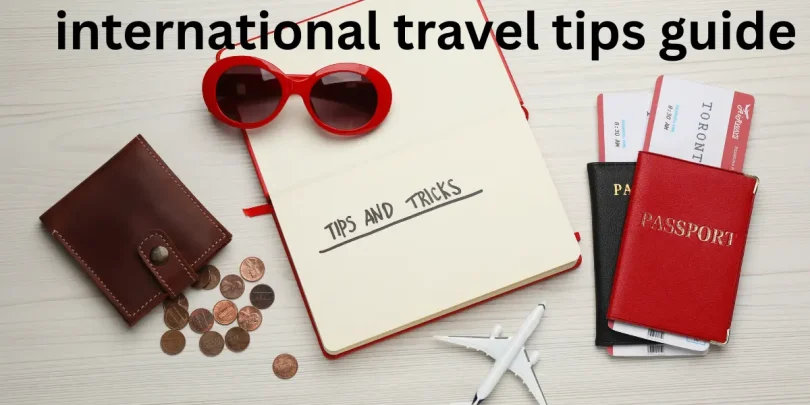

Travel has a unique way of changing how we see the world. From experiencing different cultures and tasting unfamiliar foods to exploring breathtaking landscapes, every international trip offers opportunities for growth, learning, and unforgettable memories.
Whether you’re planning your first overseas vacation or preparing for another exciting journey abroad, this international travel tips guide will help you travel smarter, stay organized, and make the most of every experience. With the right preparation and mindset, international travel can become one of the most rewarding adventures of your life.
Why International Travel Is More Than Just a Vacation

Many people travel internationally to relax, but the benefits go far beyond taking a break from daily routines. Traveling to another country exposes you to different perspectives, traditions, languages, and lifestyles that can broaden your understanding of the world.
Every destination tells a story. Walking through historic streets, interacting with local communities, and observing cultural traditions firsthand allows travelers to gain experiences that cannot be replicated through books or documentaries. These moments often leave lasting impressions and create memories that remain meaningful for years.
International travel also encourages personal growth. Navigating unfamiliar environments helps build confidence, adaptability, and problem-solving skills. Even small challenges, such as finding transportation in a foreign city or communicating despite language barriers, can become valuable learning experiences.
Planning Ahead: The Foundation of a Successful Trip
One of the biggest differences between a stressful trip and an enjoyable one is preparation. Careful planning helps eliminate unnecessary surprises and allows you to focus on enjoying your destination.
Creating a travel plan several weeks or even months before departure gives you enough time to compare flight prices, secure accommodations, gather important documents, and research local customs. The earlier you start planning, the more options you’ll have and the better deals you may find.
While spontaneity can add excitement to travel, having a basic framework in place creates confidence and reduces uncertainty.
Research Your Destination Thoroughly
Before booking your trip, spend time learning about your destination. Understanding local customs, weather conditions, transportation systems, and popular attractions will help you prepare more effectively.
Researching cultural expectations is particularly important. Certain gestures, clothing choices, or behaviors that seem normal at home may be viewed differently elsewhere. Being aware of these differences demonstrates respect and helps create positive interactions with local residents.
It’s also wise to learn about public holidays, major festivals, and seasonal conditions. These factors can significantly affect accommodation availability, transportation schedules, and tourist attractions.
Check Passport and Visa Requirements
Many travelers overlook passport requirements until the last minute. Some countries require passports to remain valid for at least six months beyond your arrival date, while others have specific entry regulations.
Review your passport expiration date well before departure. If renewal is necessary, begin the process early to avoid complications.
Visa requirements vary significantly between countries. Some destinations offer visa-free entry, while others require applications, interviews, or additional documentation. Always verify official entry requirements before finalizing travel plans.
Building a Smart Travel Budget
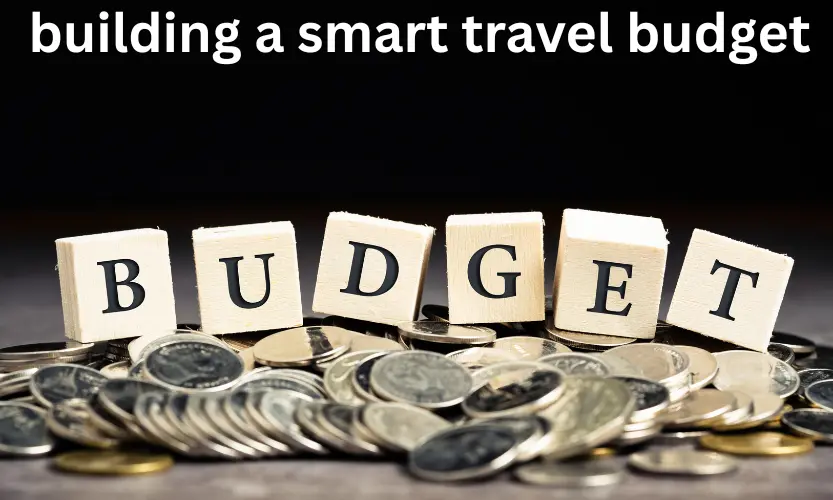
Financial planning is one of the most important parts of international travel. A realistic budget helps prevent unnecessary stress and ensures you can fully enjoy your trip.
Many travelers focus solely on airfare and accommodation costs while forgetting smaller expenses that quickly add up. Meals, local transportation, entrance fees, shopping, and unexpected emergencies should all be included in your calculations.
Creating a detailed budget before departure gives you a clearer understanding of total travel costs and helps you make informed spending decisions.
Include All Major Expenses
A complete travel budget should account for:
- Flights
- Accommodation
- Travel insurance
- Local transportation
- Food and drinks
- Attraction tickets
- Shopping and souvenirs
- Emergency funds
Factoring in every category provides a more accurate estimate and reduces the risk of running short on funds during your trip.
Keep an Emergency Fund
Unexpected situations can arise even during perfectly planned vacations. Flight delays, medical expenses, lost belongings, or transportation changes can create additional costs.
Setting aside emergency funds provides financial security and peace of mind. Even if you never need to use the money, having it available can reduce anxiety while traveling.
Booking Flights Like a Smart Traveler
Airfare often represents one of the largest travel expenses, making it important to book strategically.
Flight prices can fluctuate significantly based on season, demand, and booking timing. Monitoring fares and remaining flexible with travel dates often results in better deals.
Travelers who plan ahead and compare multiple options generally secure more affordable flights than those who wait until the final weeks before departure.
Consider Off-Peak Travel
Popular destinations become more expensive during peak tourist seasons. Traveling during shoulder seasons or less crowded periods often offers lower prices and a more relaxed experience.
In addition to saving money, off-peak travel frequently means shorter lines, easier access to attractions, and less crowded accommodations.
Compare Nearby Airports
Major international airports are not always the cheapest option. Nearby airports sometimes offer significantly lower fares, making them worth considering when planning your itinerary.
Although alternative airports may require additional transportation, the savings can often outweigh the inconvenience.
Choosing Accommodation That Fits Your Needs
Accommodation plays a major role in your overall travel experience. The right choice depends on your budget, travel style, and personal preferences.
Some travelers prioritize luxury and comfort, while others focus on affordability and location. Understanding your priorities helps narrow down options and ensures a more satisfying stay.
Location Matters More Than You Think
A centrally located hotel or rental property can save considerable time and transportation costs. Staying close to major attractions, restaurants, and public transportation often makes exploring a destination much easier.
While accommodations farther from city centers may appear cheaper initially, transportation expenses can quickly offset those savings.
Read Reviews Carefully
Guest reviews provide valuable insights into cleanliness, service quality, safety, and overall experience. Reading multiple recent reviews offers a balanced perspective and helps identify potential issues before booking.
Look for recurring themes rather than focusing on isolated complaints. Consistent feedback is often the most reliable indicator of what to expect.
Packing Efficiently for International Travel
Packing wisely can make your trip more comfortable and convenient. Overpacking creates unnecessary stress, while underpacking may leave you without essential items.
The goal is to bring everything you need without carrying excessive luggage.
Create a Packing Checklist
A packing checklist helps ensure nothing important is forgotten. Essential items include travel documents, medications, chargers, toiletries, clothing, and travel accessories.
Preparing a checklist several days before departure also allows time to purchase any missing items.
Choose Versatile Clothing
Packing clothing that can be mixed and matched reduces luggage weight while increasing outfit options. Neutral colors and lightweight fabrics are especially useful for international travel.
Selecting versatile pieces allows you to adapt to different activities, weather conditions, and cultural expectations without overpacking.
Pack Important Items in Carry-On Luggage
Never place critical items in checked baggage. Passports, medications, electronics, travel documents, and valuables should always remain in your carry-on bag.
This precaution helps protect essential belongings in case checked luggage is delayed or misplaced.
Why Travel Insurance Is Essential
Many travelers view travel insurance as an optional expense, but it can provide valuable protection during unexpected situations. Medical emergencies, flight cancellations, lost luggage, and travel disruptions can create significant financial burdens without proper coverage.
Travel insurance offers reassurance and helps travelers manage unforeseen circumstances with greater confidence.
Staying Safe Abroad
Safety should remain a priority regardless of your destination. While most international trips are enjoyable and trouble-free, staying alert helps reduce risks.
Awareness and preparation are often the most effective travel safety tools.
Protect Your Valuables
Avoid displaying expensive jewelry, large amounts of cash, or high-value electronics in crowded areas. Keeping valuables secure reduces the likelihood of theft.
Using anti-theft bags and storing important items safely can provide additional protection.
Stay Aware of Your Surroundings
Tourist attractions, transportation hubs, and crowded public spaces often attract opportunistic criminals. Remaining attentive helps you identify potential risks and avoid common scams.
Trusting your instincts and exercising caution can go a long way toward ensuring a safe trip.
Understanding Local Culture and Etiquette
Respecting local customs enhances your travel experience and helps build positive relationships with residents. Cultural awareness demonstrates appreciation for the destination and reduces the likelihood of misunderstandings.
Learn Basic Local Phrases
Even learning a few simple phrases can make a significant difference. Words such as “hello,” “please,” and “thank you” often create goodwill and show respect for local culture.
Most people appreciate visitors who make an effort to communicate in their language, even if only at a basic level.
Respect Cultural Traditions
Different countries have different expectations regarding behavior, clothing, and social interactions. Researching these customs beforehand helps you avoid unintentionally causing offense.
Respectful travelers often enjoy warmer interactions and more authentic cultural experiences.
Managing Money While Traveling
Handling finances effectively is essential for a smooth international journey.
Carrying multiple payment options reduces risk and provides flexibility. A combination of credit cards, debit cards, and local currency is often the best approach.
Informing your bank about travel plans can also help prevent payment interruptions caused by fraud prevention systems.
Avoid Carrying Excessive Cash
While some cash is necessary, carrying large amounts increases risk. Withdraw money as needed and use secure payment methods whenever possible.
Keeping cash in separate locations provides additional security if a wallet is lost or stolen.
Dealing with Jet Lag
Long-haul international flights often involve crossing multiple time zones, which can disrupt sleep patterns and energy levels. Adjusting your schedule before departure and staying hydrated during travel can reduce the effects of jet lag.
Spending time outdoors after arrival and following the local schedule as quickly as possible also helps your body adapt more efficiently.
Embrace New Experiences
One of the greatest rewards of international travel is discovering something unexpected.Whether it’s trying unfamiliar food, participating in a local festival, or exploring a hidden neighborhood, these experiences often become the highlights of a trip.
Approaching travel with curiosity and an open mind allows you to create richer and more meaningful memories.
Not every moment will go according to plan, and that’s perfectly normal. Some of the most memorable travel stories begin with unexpected detours, chance encounters, and spontaneous decisions.
You may also like these
Unforgettable Weekend Adventure Trips Ideas for Thrill-Seekers Who Crave Pure Excitement
Epic Thrill Adventure Trips Destinations That Will Ignite Your Wanderlust Today
Thrilling Outdoor Adventure Trips List to Ignite Your Wanderlust and Escape the Ordinary
Epic 12 Mountain Adventure Trips for Thrill Seekers & Nature Lovers
Budget-Smart Cheap Adventure Trips Guide for Epic Travel Experiences
Sustainable Travel Practices
Responsible tourism benefits both travelers and local communities. Small actions can make a positive impact while preserving destinations for future generations.
Supporting local businesses, reducing waste, and respecting cultural and natural sites contribute to more sustainable travel experiences. Being a responsible traveler helps ensure that the places we love remain beautiful and welcoming for years to come.
Final Thoughts
International travel offers endless opportunities for adventure, learning, and personal growth. With proper planning, smart budgeting, cultural awareness, and a flexible attitude, travelers can navigate new destinations with confidence and create unforgettable memories along the way.
Whether you’re preparing for your first overseas journey or adding another destination to your growing travel list, following the advice in this international travel tips guide will help you avoid common mistakes, maximize your experiences, and enjoy every step of your global adventure.
FAQs
What is an international travel tips guide?
An international travel tips guide is a resource that provides essential advice on planning, packing, budgeting, safety, documentation, and navigating foreign destinations.
Why is an international travel tips guide important?
It helps travelers avoid common mistakes, save money, stay safe, and enjoy a smoother travel experience abroad.
What should be included in an international travel tips guide?
Key topics include passport requirements, visa information, travel insurance, budgeting, packing lists, safety tips, and local customs.
How can an international travel tips guide help first-time travelers?
It provides step-by-step guidance, reduces uncertainty, and prepares travelers for international journeys with confidence.
When should I read an international travel tips guide?
Ideally, you should read an international travel tips guide several weeks before departure to allow time for planning and preparation.