
Travel has a unique way of bringing excitement, adventure, and unforgettable memories into our lives. Whether you’re planning a weekend getaway, a family vacation, a business trip, or a long international journey, the success of your trip often depends on how well you prepare before leaving home.
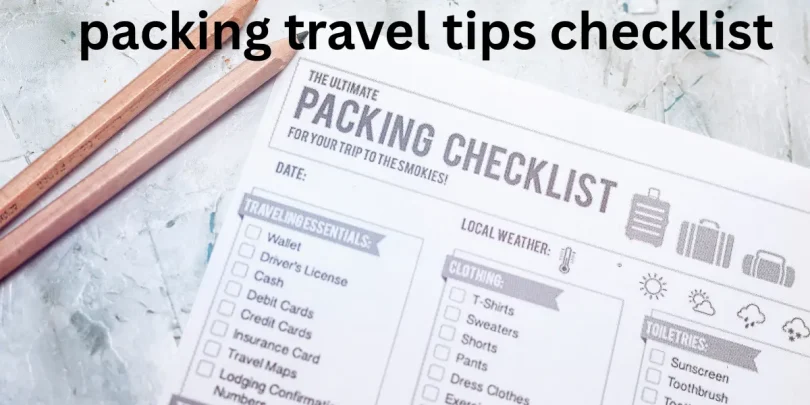
A detailed packing travel tips checklist can help you stay organized, avoid common travel mistakes, and ensure that every essential item is ready before departure. Instead of dealing with last-minute stress or realizing you’ve forgotten something important, a checklist allows you to travel with confidence and peace of mind.
Many travelers focus heavily on booking flights, hotels, and activities while overlooking the importance of strategic packing. However, experienced travelers understand that a well-packed suitcase can make the difference between a smooth, enjoyable trip and a frustrating one. The good news is that packing effectively is a skill anyone can learn with the right approach.
Why a Packing Travel Tips Checklist Is Essential
Packing may seem simple, but it is often one of the most overlooked parts of travel planning. Many people wait until the night before departure to start packing, leading to rushed decisions and forgotten essentials. This last-minute approach often results in overpacking, underpacking, or unnecessary stress.
A packing checklist provides structure and organization throughout the preparation process. Instead of relying solely on memory, travelers can systematically review every category of items they need. This method significantly reduces the chances of leaving behind important belongings such as travel documents, medications, chargers, or weather-appropriate clothing.
Another major benefit is efficiency. When everything is planned in advance, travelers spend less time searching for items and more time focusing on the excitement of the trip. A checklist creates a sense of control and preparedness that makes the entire travel experience more enjoyable from start to finish.
The Advantages of Packing Smart
Smart packing goes beyond simply fitting everything into a suitcase. It involves making thoughtful choices about what to bring, what to leave behind, and how to organize your belongings effectively.
One of the biggest advantages of packing smart is increased mobility. Carrying lighter and better-organized luggage makes it easier to move through airports, train stations, and busy streets. Travelers who pack efficiently often experience less physical strain and greater convenience throughout their journey.
Smart packing also helps save money. Many airlines charge additional fees for overweight luggage, and unnecessary items can quickly add extra weight. By bringing only what you truly need, you can often avoid excess baggage charges and enjoy a more streamlined travel experience.
Furthermore, organized luggage reduces daily frustration. Instead of digging through your suitcase to find a charger or a clean shirt, everything remains easily accessible and neatly arranged.
Start Planning Several Days Before Departure

One of the most effective packing habits is starting early. Waiting until the last minute often leads to rushed decisions and forgotten items. Beginning your packing process several days before departure allows you to prepare thoughtfully and make adjustments when needed.
Create a preliminary packing list at least a week before your trip. This gives you time to identify missing items, purchase necessities, and wash any clothing you plan to bring. It also allows you to monitor weather forecasts and adjust your packing accordingly.
Packing early provides an additional advantage: it gives you the opportunity to review your luggage with fresh eyes. Many travelers discover that they initially packed far more than necessary. Reviewing your suitcase a day later often helps eliminate unnecessary items and reduce overall luggage weight.
Research Your Destination Before Packing
One of the most common packing mistakes is failing to research the destination thoroughly. Every destination has unique weather conditions, cultural expectations, transportation systems, and activity requirements that can influence what you need to bring.
Before packing, check the local weather forecast for your travel dates. Seasonal averages can be helpful, but actual forecasts provide a more accurate picture of what to expect. A destination known for warm weather may experience unexpected rain or cooler temperatures during your visit.
Researching local customs is equally important. Certain destinations may have dress codes for religious sites, restaurants, or cultural attractions. Understanding these expectations beforehand can help you pack appropriately and avoid uncomfortable situations.
Transportation also matters. If you’ll be walking extensively, comfortable footwear becomes essential. If public transportation is common, lighter luggage may make your travels significantly easier.
Essential Travel Documents Checklist
Travel documents should always be your highest priority when preparing for a trip. Even a perfectly packed suitcase becomes useless if you forget critical paperwork.
Before departure, ensure you have your passport, identification card, visas if required, flight confirmations, hotel reservations, travel insurance information, and emergency contact details. Organizing these documents in a dedicated travel folder can help keep everything secure and easily accessible.
Digital backups are equally important. Store copies of essential documents on your phone, cloud storage, or email account. If physical documents are lost or stolen, digital copies can make replacement procedures much easier.
Many experienced travelers also carry printed copies of important reservations. While digital access is convenient, internet connectivity may not always be available when needed.
Creating the Perfect Clothing Checklist
Clothing usually occupies the majority of luggage space, making it one of the most important packing categories. The key is finding the right balance between preparedness and practicality.
Start by considering the length of your trip and planned activities. Instead of packing a completely different outfit for every day, focus on versatile clothing items that can be mixed and matched. Neutral colors often work best because they coordinate easily with multiple pieces.
For a week-long trip, many travelers find success with several shirts, a few pairs of pants or shorts, undergarments, sleepwear, and one or two layering options. This approach provides variety without overwhelming your luggage.
Always prioritize comfort over fashion trends. Clothing that feels comfortable during long travel days, sightseeing excursions, or outdoor activities will contribute significantly to a more enjoyable experience.
Packing for Different Weather Conditions
Weather can dramatically impact your travel experience, making proper preparation essential. Packing without considering climate conditions often leads to discomfort and unnecessary purchases during your trip.
For warm destinations, lightweight and breathable fabrics are ideal. Cotton and moisture-wicking materials help keep you comfortable during hot weather. Sunglasses, hats, and sunscreen should also be included to provide protection from the sun.
Cold-weather destinations require a layering strategy. Instead of packing bulky clothing items, focus on multiple layers that can be added or removed as temperatures change. Thermal clothing, sweaters, jackets, gloves, and scarves can provide warmth without taking excessive luggage space.
Rainy destinations call for waterproof gear such as rain jackets, umbrellas, and water-resistant footwear. Being prepared for unexpected weather can prevent significant inconvenience during your travels.
Toiletries and Personal Care Essentials
Toiletries play a major role in maintaining comfort and hygiene throughout a trip. While many items can be purchased at your destination, bringing familiar products often adds convenience and peace of mind.
Basic toiletries typically include a toothbrush, toothpaste, shampoo, conditioner, soap, deodorant, and skincare products. Travel-sized containers are ideal because they save space and comply with airline carry-on regulations.
Personal hygiene items such as hand sanitizer, tissues, wet wipes, and lip balm are particularly useful during long travel days. These small items can greatly improve comfort while navigating airports, public transportation, and crowded tourist areas.
If you use specialized personal care products, make sure they are packed well in advance. Finding exact replacements abroad may not always be easy.
Electronics and Technology Checklist
Modern travelers rely heavily on technology for navigation, communication, entertainment, and trip planning. Forgetting a critical electronic accessory can create unnecessary frustration.
Your electronics checklist should include a smartphone, charger, power bank, headphones, camera, laptop or tablet if necessary, and any required charging cables. Organizing these items in a dedicated electronics pouch helps prevent tangles and makes them easier to locate.
International travelers should also research local electrical outlet types. Bringing a universal travel adapter ensures that devices remain functional regardless of destination.
Power banks are particularly valuable during long travel days when access to electrical outlets may be limited. Having backup power available can provide significant peace of mind.
Health and Medication Essentials
Health-related items deserve special attention when preparing for any trip. Even short vacations can become challenging if necessary medications or basic medical supplies are forgotten.
Always bring enough prescription medication to cover the entire duration of your trip, plus a few extra days if possible. Keep medications in their original packaging and carry them in your hand luggage rather than checked baggage.
A small travel health kit can also prove extremely useful. Items such as pain relievers, allergy medication, bandages, antiseptic wipes, and motion sickness tablets can help address minor health issues quickly and conveniently.
Travel insurance information should also remain easily accessible in case medical assistance becomes necessary.
Smart Packing Techniques That Save Space
Efficient packing techniques can dramatically increase available luggage space while keeping belongings organized.
One popular method is rolling clothes instead of folding them. Rolling often reduces wrinkles and allows clothing to fit more compactly inside a suitcase. Many travelers find that this technique creates additional room without sacrificing organization.
Packing cubes provide another excellent solution. These lightweight organizers separate clothing categories, making it easier to locate specific items without disrupting the entire suitcase. Packing cubes also help maximize available space and maintain order throughout the trip.
Shoes should be packed strategically because they tend to consume significant room. Filling shoes with socks or small accessories can help utilize otherwise wasted space.
Common Packing Mistakes to Avoid
Even experienced travelers occasionally make packing mistakes. Understanding these common errors can help you avoid unnecessary complications.
Overpacking remains one of the most frequent issues. Many travelers bring items they never use, creating heavier luggage and less available space. Before adding an item to your suitcase, consider whether it will realistically be needed.
Ignoring weather forecasts is another common mistake. Conditions can vary significantly from seasonal averages, making accurate forecasts essential for proper preparation.
Forgetting chargers, adapters, or important documents can create major inconveniences. A final review of your checklist before departure can help prevent these oversights.
Finally, avoid placing valuables in checked luggage. Important documents, electronics, medications, and expensive items should remain in your carry-on bag whenever possible.
You may also like these
Unforgettable Weekend Adventure Trips Ideas for Thrill-Seekers Who Crave Pure Excitement
Epic Thrill Adventure Trips Destinations That Will Ignite Your Wanderlust Today
Thrilling Outdoor Adventure Trips List to Ignite Your Wanderlust and Escape the Ordinary
Epic 12 Mountain Adventure Trips for Thrill Seekers & Nature Lovers
Budget-Smart Cheap Adventure Trips Guide for Epic Travel Experiences
Final Travel Day Checklist
The day before departure is the perfect time for a final review. Double-check your travel documents, verify transportation arrangements, and confirm that all essential items have been packed. Ensure your phone, laptop, and power bank are fully charged. Review your itinerary, hotel reservations, and flight details one last time. Taking a few minutes to verify everything can prevent unexpected surprises later.
It is also wise to weigh your luggage if flying. This simple step can help you avoid airport baggage fees and reduce stress during check-in. A final checklist review provides reassurance that you are fully prepared for your journey.
Conclusion
Successful travel begins long before you arrive at your destination. Proper preparation, thoughtful organization, and strategic packing create the foundation for a smoother and more enjoyable experience. Whether you’re planning a short weekend getaway or a lengthy international adventure, taking the time to pack carefully can eliminate unnecessary stress and help you focus on creating memorable experiences.
By following proven packing strategies, organizing essentials in advance, and using a detailed checklist, you can travel with greater confidence and convenience. The next time you prepare for a trip, remember that a well-planned packing travel tips checklist is one of the most valuable tools you can carry with you.
FAQs
What is a packing travel tips checklist?
A packing travel tips checklist is a detailed list of essential items and packing strategies that help travelers stay organized and avoid forgetting important belongings.
Why should I use a packing travel tips checklist?
Using a packing travel tips checklist reduces stress, saves time, prevents overpacking, and ensures you have everything needed for a smooth trip.
What items should be included in a packing travel tips checklist?
A packing travel tips checklist should include clothing, travel documents, toiletries, medications, electronics, chargers, and destination-specific essentials.
How can a packing travel tips checklist help save luggage space?
A packing travel tips checklist encourages efficient packing methods such as rolling clothes, using packing cubes, and bringing only necessary items.
When should I prepare my packing travel tips checklist?
It’s best to prepare your packing travel tips checklist at least a few days before departure to allow enough time for shopping and organization.