
Travel has the power to transform ordinary moments into lifelong memories. Exploring new destinations, meeting different people, and experiencing unfamiliar cultures can broaden your perspective in ways few other activities can.
If you’re preparing for your first adventure, understanding the best travel tips for beginners can help you avoid common mistakes, save money, and enjoy a smoother journey. With the right preparation and mindset, even a first-time traveler can explore the world with confidence.
Why First-Time Travel Can Feel Challenging

For many people, the excitement of travel is often mixed with uncertainty. Questions about flights, accommodation, transportation, safety, and budgeting can make planning feel overwhelming.
The truth is that every experienced traveler once faced the same concerns. Nobody starts as a travel expert. The difference is that seasoned travelers have learned valuable lessons through experience, and you can benefit from those lessons before even leaving home.
Rather than trying to know everything, focus on understanding the basics. A little preparation goes a long way toward making your journey enjoyable and stress-free.
Start Planning Earlier Than You Think
One of the most effective ways to improve your travel experience is to begin planning well in advance. Early preparation provides more options and often results in lower costs.
When you start researching ahead of time, you can compare airline prices, explore accommodation choices, and build a realistic itinerary. This extra flexibility often leads to better decisions and fewer last-minute surprises.
Planning early also allows you to spread expenses over time. Instead of paying for everything at once, you can gradually book flights, hotels, and activities as your departure date approaches.
Research Your Destination Thoroughly
Before booking anything, spend time learning about your destination. Understanding local customs, transportation systems, weather conditions, and cultural expectations can help you feel more comfortable when you arrive.
Researching your destination can also reveal hidden attractions that many tourists overlook. Sometimes the most memorable experiences are not the famous landmarks but the local markets, neighborhoods, and cultural experiences you discover along the way.
The more informed you are before departure, the more confident you will feel during your trip.
Create a Flexible Travel Itinerary

Many beginners make the mistake of scheduling every hour of every day. While organization is important, overplanning can create unnecessary pressure.
Travel rarely goes exactly as expected. Flights may be delayed, weather conditions can change, and you may stumble upon exciting opportunities that weren’t part of your original plan.
A flexible itinerary gives you structure without eliminating spontaneity. Plan your priorities but leave room for unexpected adventures and moments of relaxation.
Establish a Realistic Travel Budget
Budgeting is one of the most important skills for successful travel. Having a financial plan allows you to enjoy your trip without constantly worrying about expenses.
Start by calculating major costs such as transportation and accommodation. Then include daily expenses like food, local transportation, attraction tickets, shopping, and entertainment. Many travelers underestimate smaller purchases. A coffee here, a souvenir there, and a few unexpected expenses can quickly add up.
Include an Emergency Fund
No matter how carefully you plan, unexpected situations can arise. Flight changes, medical needs, lost luggage, or transportation issues can create additional expenses.
Setting aside emergency funds provides peace of mind and helps you handle unforeseen challenges without disrupting your entire trip. Think of it as a safety net that allows you to travel with greater confidence.
Pack Smart Instead of Packing More
One of the most common mistakes beginners make is bringing too much luggage. It is easy to imagine dozens of situations that require different outfits and accessories.
In reality, most travelers use only a portion of what they pack. Heavy bags can become frustrating when navigating airports, train stations, and hotel stairs. Packing lighter makes your journey easier and more enjoyable.
Focus on Essential Items
Prioritize items that serve multiple purposes. Choose versatile clothing that can be mixed and matched to create different outfits.
Pack essentials such as:
- Comfortable clothing
- Travel documents
- Phone charger
- Medications
- Toiletries
- Comfortable walking shoes
Remember that many items can be purchased at your destination if needed.
Leave Extra Space
A common packing mistake is filling every inch of a suitcase before departure.
Leaving some extra room gives you space for souvenirs, gifts, and purchases made during your trip. It also prevents the stress of trying to squeeze everything back into your luggage when it’s time to return home.
Keep Important Documents Organized
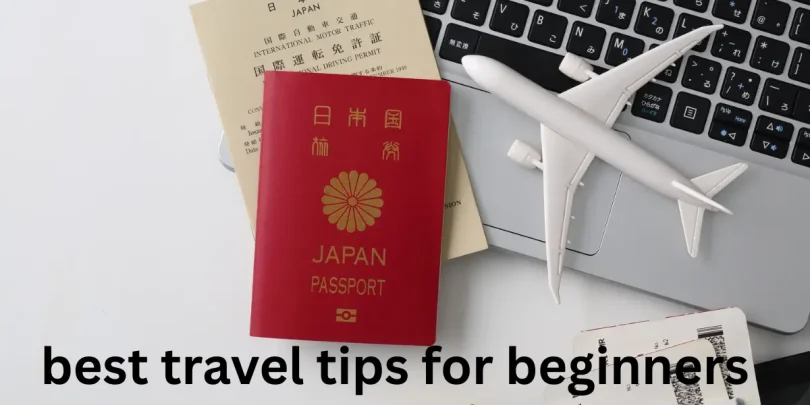
Your travel documents are among your most valuable possessions during a trip. Losing access to them can create unnecessary complications.
Store your passport, identification, tickets, hotel confirmations, insurance details, and emergency contacts in a secure location.
Creating digital copies is equally important. Save electronic versions on your phone and in secure cloud storage so you can access them if physical documents are lost. Being organized can save valuable time and reduce stress during emergencies.
Choose Accommodation Carefully
Your accommodation plays a major role in shaping your travel experience. While budget is important, it should not be the only factor influencing your decision.
Consider location, safety, cleanliness, accessibility, and guest reviews when making your choice. A hotel that costs slightly more but offers a convenient location may save significant time and transportation expenses throughout your trip.
Stay Near Major Attractions
For beginners, choosing accommodation near popular attractions can simplify daily travel.
Walking to restaurants, public transportation, and major sights reduces stress and allows you to spend more time enjoying your destination rather than navigating unfamiliar routes. Convenience often adds tremendous value to a travel experience.
Learn Basic Local Phrases
Language barriers can seem intimidating, especially for first-time travelers. Fortunately, learning a few essential phrases can make a big difference.
Simple expressions such as “hello,” “thank you,” “please,” and “excuse me” demonstrate respect and often lead to friendlier interactions.
Locals generally appreciate visitors who make an effort to communicate in their language, even if the attempt isn’t perfect. These small gestures can create meaningful connections during your travels.
Arrive Early for Transportation
Nothing creates travel stress quite like rushing through an airport or train station. Arriving early gives you time to check in, navigate security procedures, find your departure gate, and address unexpected delays calmly.
Travel becomes much more enjoyable when you are not constantly worried about missing connections. A relaxed start often sets a positive tone for the entire journey.
Stay Connected During Your Trip
Reliable communication can make travel significantly easier. Access to maps, transportation information, restaurant recommendations, and emergency contacts provides convenience and peace of mind.
Consider your options before departure. International roaming plans, local SIM cards, and portable Wi-Fi devices all offer different advantages.
Offline maps can be especially useful when internet access becomes limited. Having access to information helps you navigate unfamiliar environments with greater confidence.
Prioritize Personal Safety
Safety should always remain a top priority, regardless of your destination. Being aware of your surroundings and making thoughtful decisions can reduce many common travel risks.
Protect Your Valuables
Avoid carrying large amounts of cash in one location. Keep valuables secure and avoid displaying expensive items unnecessarily.
Crowded tourist areas can attract pickpockets, making awareness particularly important Simple precautions can prevent many common travel problems.
Share Your Travel Plans
Inform a trusted family member or friend about your itinerary. Sharing accommodation details and transportation schedules adds an extra layer of security.
Regular communication can provide reassurance for both you and your loved ones while you’re away.
Trust Your Instincts
If a situation feels uncomfortable, trust your judgment.
Whether it’s an unfamiliar neighborhood, an aggressive salesperson, or an offer that seems too good to be true, listening to your instincts is often one of the best safety strategies available.
Embrace New Experiences
Travel becomes truly rewarding when you step beyond familiar routines.
Trying local cuisine, attending cultural events, and exploring lesser-known neighborhoods can create some of the most memorable moments of your trip. Many travelers discover that their favorite experiences were never part of the original itinerary.
Be Open to Learning
Every destination offers opportunities to learn something new.
You may discover different traditions, unique perspectives, fascinating histories, or entirely new ways of living. Approaching travel with curiosity enriches every aspect of the journey.
Take Care of Your Health While Traveling
Good health contributes significantly to a positive travel experience. Long travel days, changing climates, and busy schedules can affect your energy levels if you aren’t careful.
Stay Hydrated
Proper hydration is especially important during flights and in warm climates.
Carry a reusable water bottle whenever possible and drink regularly throughout the day. Maintaining hydration helps reduce fatigue and supports overall well-being.
Get Enough Sleep
It can be tempting to maximize every moment of your trip, but exhaustion can quickly diminish enjoyment.
Adequate rest helps you stay energetic, focused, and ready to explore. Balancing activity with recovery creates a more sustainable travel experience.
Carry Basic Medications
Bringing common medications and a small first-aid kit can save time and inconvenience. Having essential items readily available allows you to handle minor issues without searching for unfamiliar pharmacies.
Respect Local Culture and Traditions
Responsible travel benefits both visitors and local communities. Before arriving, take time to learn about cultural expectations and social norms.
Respectful behavior demonstrates appreciation for the destination and often leads to more positive interactions with local residents. Simple actions such as dressing appropriately, following local customs, and observing cultural etiquette can leave a lasting positive impression.
Don’t Chase Perfection
Many first-time travelers imagine a flawless journey where everything unfolds exactly as planned. In reality, travel often includes unexpected challenges. Flights may be delayed, weather conditions can change, and schedules may require adjustments.
Rather than viewing these moments as failures, see them as part of the adventure. Some of the most entertaining travel stories begin with things not going according to plan. Flexibility and a positive attitude can turn small inconveniences into memorable experiences.
Capture Memories While Staying Present
Photographs are wonderful keepsakes, but don’t let a camera prevent you from fully experiencing your surroundings. Take pictures of meaningful moments, then spend time simply observing and appreciating the environment around you.
Notice the sounds, scents, architecture, and atmosphere of a place. The memories you create through personal experience often become more valuable than the photos themselves.
Learn From Every Trip
Every journey teaches valuable lessons. Perhaps you’ll discover better packing strategies, smarter budgeting techniques, or more efficient ways to navigate airports and public transportation.
These experiences build confidence over time and help transform beginners into experienced travelers. The goal isn’t perfection. The goal is continuous improvement and enjoyment.
You may also like these
Unforgettable Weekend Adventure Trips Ideas for Thrill-Seekers Who Crave Pure Excitement
Epic Thrill Adventure Trips Destinations That Will Ignite Your Wanderlust Today
Thrilling Outdoor Adventure Trips List to Ignite Your Wanderlust and Escape the Ordinary
Epic 12 Mountain Adventure Trips for Thrill Seekers & Nature Lovers
Budget-Smart Cheap Adventure Trips Guide for Epic Travel Experiences
Common Travel Mistakes Beginners Should Avoid
Overpacking
Bringing too many items creates unnecessary inconvenience and often results in heavier luggage than needed.
Ignoring Travel Insurance
Unexpected events can happen at any time. Travel insurance can provide valuable protection and peace of mind.
Booking Everything at the Last Minute
Waiting too long often limits options and increases costs.
Carrying Excessive Cash
Using a combination of payment methods provides greater flexibility and security.
Creating an Overloaded Schedule
Trying to see everything can lead to exhaustion. Prioritize quality experiences over quantity.
Final Thoughts
Travel is far more than moving from one place to another. It is an opportunity to discover new cultures, challenge yourself, build confidence, and create stories that remain with you for years to come. Every experienced explorer started as a beginner, learning through curiosity, preparation, and experience. By planning carefully, staying flexible, and embracing new opportunities, you can enjoy every stage of your journey with greater confidence and less stress. Whether your first trip takes you across the country or across the world, following these best travel tips for beginners will help you create meaningful memories and make every adventure more rewarding.
FAQs
What are the best travel tips for beginners?
Start with careful planning, set a budget, pack light, and research your destination before traveling.
How can beginners travel on a budget?
Book flights early, compare accommodation options, use public transport, and avoid peak travel seasons.
What should first-time travelers pack?
Pack essential documents, comfortable clothing, medications, chargers, and only the items you truly need.
How do beginners stay safe while traveling?
Keep copies of important documents, stay aware of your surroundings, and avoid sharing personal information with strangers.
Why is travel planning important for beginners?
Good planning reduces stress, saves money, and helps travelers avoid common mistakes.