
Traveling alone can be one of the most exciting and life-changing experiences a person can have. It gives you the freedom to set your own schedule, discover new places at your own pace, and challenge yourself in ways that are difficult to experience when traveling with others.
A well-planned solo travel tips safety guide can help transform an ordinary trip into a rewarding and stress-free adventure. While solo travel comes with unique responsibilities, proper preparation and smart decision-making can help you stay safe, confident, and ready to enjoy every moment of your journey.
Why Solo Travel Continues to Grow in Popularity

Over the last decade, solo travel has become increasingly popular among travelers of all ages. Some people travel alone to escape their daily routines, while others seek personal growth, adventure, or the opportunity to experience different cultures more deeply. Unlike group travel, solo journeys allow complete flexibility. You can change plans at any moment, spend extra time at places you love, and avoid compromises that often come with traveling in a group.
Many solo travelers describe their journeys as transformative experiences. Being responsible for every decision helps develop confidence, independence, and problem-solving skills. Navigating unfamiliar environments teaches adaptability and encourages personal growth. The lessons learned during solo travel often extend far beyond the trip itself and can positively influence everyday life long after returning home.
Understanding the Importance of Travel Safety
One of the most important aspects of any solo journey is personal safety. While the vast majority of trips go smoothly, travelers should never assume that nothing can go wrong. Being prepared for potential challenges allows you to enjoy your trip with greater peace of mind and less stress.
Travel safety is not about constantly worrying or avoiding adventure. Instead, it involves making informed choices, staying aware of your surroundings, and taking reasonable precautions. A balanced approach allows you to embrace exciting experiences while minimizing unnecessary risks. When safety becomes part of your travel routine, it feels natural rather than restrictive.
Research Your Destination Before Departure
Thorough research is one of the strongest foundations for a safe and enjoyable solo trip. Before leaving home, take time to understand the destination’s culture, transportation system, local customs, and general safety conditions. This information helps you avoid common mistakes and adapt more quickly once you arrive.
Learning about local traditions is particularly important. Cultural expectations vary significantly around the world, and respecting local customs often leads to more positive interactions with residents. Understanding appropriate dress codes, social etiquette, and local laws can prevent misunderstandings and help you blend in more naturally.
It is also wise to research different neighborhoods. Most cities have areas that are considered safer for visitors and others that may be best avoided, especially after dark. Reading recent traveler reviews and local recommendations can provide useful insights that guidebooks sometimes overlook.
Choose Accommodation Carefully
Your choice of accommodation can significantly impact your overall travel experience. A safe and comfortable place to stay provides a secure base from which you can explore your destination. While budget considerations are important, choosing accommodation solely based on price is not always the best decision.
Read reviews carefully and pay close attention to comments about security, cleanliness, location, and staff professionalism. Properties with positive feedback from solo travelers often provide valuable reassurance. A central location can also reduce transportation challenges and make it easier to access major attractions, restaurants, and public transit options.
Look for accommodations that offer secure locks, reception services, well-lit entrances, and reliable communication channels. These features contribute to a greater sense of security and convenience throughout your stay.
Keep Important Documents Safe
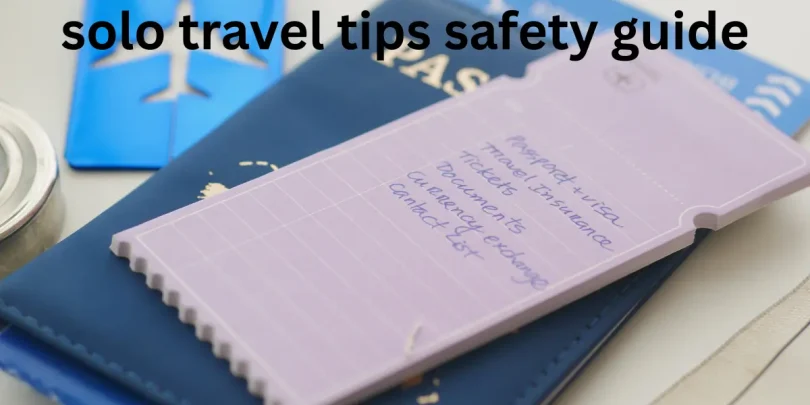
Travel documents are among your most valuable possessions while abroad. Losing your passport, identification, or travel paperwork can create significant complications. Taking preventive measures can save time, money, and stress if something unexpected occurs.
Create digital copies of important documents and store them securely online. It is also helpful to keep printed copies separate from the originals. If your passport or identification is lost or stolen, these backups can simplify replacement procedures and assist local authorities in verifying your identity.
Keeping documents organized in a secure travel wallet can further reduce the risk of accidental loss. Staying organized allows you to focus on enjoying your trip rather than searching for misplaced paperwork.
Stay Connected Throughout Your Journey
Maintaining communication with trusted friends or family members is an important part of solo travel safety. Sharing your itinerary, accommodation details, and travel plans provides an extra layer of security. If plans change, updating someone you trust helps ensure that others know your general whereabouts.
Modern technology makes staying connected easier than ever. Mobile messaging applications, internet calls, and location-sharing features allow travelers to communicate from almost anywhere. Having access to reliable communication can be particularly valuable during emergencies or unexpected situations.
A portable charger is another essential travel item. Long sightseeing days, delayed transportation, or extensive use of navigation apps can quickly drain your phone battery. Having backup power ensures you remain connected when you need it most.
Trust Your Instincts
One of the most valuable tools available to any traveler is intuition. While facts and research are important, instincts often provide immediate warnings about situations that may not feel right. Learning to trust those feelings can help you avoid unnecessary risks.
If a person, place, or situation makes you uncomfortable, there is nothing wrong with leaving or changing your plans. Personal safety should always take priority over social expectations. Many experienced travelers credit their intuition for helping them avoid potentially problematic situations.
Confidence and awareness work together. Staying alert without becoming overly anxious allows you to enjoy your surroundings while remaining prepared to respond if necessary.
Blend In and Avoid Drawing Unnecessary Attention
Standing out as an obvious tourist can sometimes make travelers more vulnerable to scams or unwanted attention. While it is impossible to completely blend in everywhere, making an effort to observe local behavior can be beneficial.
Dressing appropriately for the destination helps you fit in more naturally. Avoid displaying expensive jewelry, luxury items, or large amounts of cash in public. Keeping valuables discreet reduces the likelihood of attracting attention from opportunistic thieves.
Walking confidently also makes a difference. Even when using maps or navigation tools, try to maintain awareness of your surroundings. Looking confident and purposeful can discourage individuals who target travelers they perceive as distracted or uncertain.
Protect Your Money and Valuables
Financial security is an important component of travel safety. Carrying all your money and cards in one location creates unnecessary risk. Instead, distribute important items between different bags or compartments so that losing one item does not leave you completely without resources.
Using secure bags with strong zippers and anti-theft features can provide additional protection. Hotel safes are also useful for storing valuables that are not needed during daily activities. The less you carry, the less you have to worry about while exploring.
Keeping an emergency reserve of cash separate from your primary funds can be extremely helpful if your wallet is lost, stolen, or inaccessible.
Use Transportation Wisely
Transportation choices can have a major impact on your safety and comfort. Whenever possible, use reputable transportation providers, licensed taxis, or trusted ride-sharing services. Researching transportation options before arriving at your destination helps reduce confusion and minimizes the risk of encountering scams.
Arriving in a new city during daylight hours can also make navigation easier. Familiarizing yourself with routes and landmarks is generally simpler when visibility is good. If arriving late at night is unavoidable, arrange transportation in advance whenever possible.
Always have a backup plan. Delays, cancellations, and unexpected changes can happen anywhere. Knowing alternative routes or transportation options helps you remain flexible and prepared.
Be Aware of Common Travel Scams
Tourist scams exist in many destinations around the world, but awareness is one of the best forms of protection. Scammers often target visitors who appear unfamiliar with local practices. Common tactics include fake taxi services, inflated prices, distraction techniques, and fraudulent tour offers.
Researching common scams before traveling can help you recognize warning signs quickly. Maintaining a healthy level of skepticism is often beneficial when offers seem unusually generous or urgent. Taking a few moments to verify information can prevent costly mistakes and unnecessary frustration.
The more informed you are, the less likely you are to become a target.
Prioritize Your Health and Well-Being
Physical well-being plays a crucial role in overall travel safety. Fatigue, dehydration, and illness can affect decision-making and reduce awareness. Maintaining healthy habits while traveling helps you stay alert and enjoy your experiences more fully.
Drink plenty of water, especially when visiting warm climates or participating in physically demanding activities. Getting enough sleep is equally important. Although it can be tempting to fill every moment with sightseeing, adequate rest improves both safety and enjoyment.
Packing a basic health kit with essential medications and first-aid supplies can help address minor issues before they become bigger problems. Preparation often makes travel smoother and more comfortable.
Meeting New People Safely
One of the greatest benefits of solo travel is the opportunity to meet people from different backgrounds and cultures. New friendships can enrich your journey and create lasting memories. However, it is important to approach social interactions with appropriate caution.
When meeting new people, choose public locations such as cafes, restaurants, or popular attractions. Avoid sharing excessive personal information, including details about your accommodation or travel schedule. Maintaining reasonable boundaries allows you to enjoy social experiences while protecting your privacy.
Being friendly and open-minded does not require sacrificing personal safety. A balanced approach allows meaningful connections while minimizing potential risks.
Prepare for Unexpected Situations
Even the most carefully planned trips can encounter unexpected challenges. Lost luggage, missed flights, medical issues, and transportation disruptions can occur without warning. Preparing for these possibilities helps reduce stress when problems arise.
Travel insurance can provide valuable support during emergencies. Coverage for medical expenses, cancellations, and lost belongings can offer financial protection and peace of mind. Understanding your policy before departure ensures you know exactly what assistance is available.
Having emergency contacts, backup funds, and copies of important documents readily accessible can make a significant difference when dealing with unexpected situations.
You may also like these
Unforgettable Weekend Adventure Trips Ideas for Thrill-Seekers Who Crave Pure Excitement
Epic Thrill Adventure Trips Destinations That Will Ignite Your Wanderlust Today
Thrilling Outdoor Adventure Trips List to Ignite Your Wanderlust and Escape the Ordinary
Epic 12 Mountain Adventure Trips for Thrill Seekers & Nature Lovers
Budget-Smart Cheap Adventure Trips Guide for Epic Travel Experiences
Building Confidence Through Solo Travel
Every solo trip teaches valuable lessons. The first journey may feel intimidating, but confidence grows with experience. Small successes, such as navigating a new city or solving an unexpected problem independently, build resilience and self-assurance.
Many travelers discover that their greatest concerns never materialize. Instead, they return home with unforgettable memories, stronger decision-making skills, and a renewed appreciation for their own capabilities. Solo travel often reveals strengths that remain hidden during everyday life.
The more experience you gain, the more comfortable and confident you become in unfamiliar environments. Each adventure becomes a stepping stone toward greater independence and personal growth.
Final Thoughts
Exploring the world on your own can be one of the most rewarding experiences you will ever have. It offers freedom, self-discovery, cultural immersion, and countless opportunities for personal development. While traveling alone requires greater responsibility, the rewards often far outweigh the challenges. By researching destinations, protecting your belongings, staying connected, and trusting your instincts, you can confidently embrace new adventures while minimizing risks. No matter where your journey takes you, following a dependable solo travel tips safety guide can help you travel smarter, safer, and with the confidence to fully enjoy every experience along the way.
FAQs
Why is a solo travel tips safety guide important?
Lack of local knowledge is often the biggest concern, making preparation and awareness essential.
How can solo travelers avoid scams?
Research common scams at your destination, avoid sharing personal details, and be cautious of unsolicited offers.
Should I share my location while traveling alone?
Yes, sharing your location or itinerary with a trusted friend or family member can add an extra layer of security.
How do I choose safe accommodation when traveling solo?
Read verified reviews, select reputable properties, and prioritize locations in well-populated areas.
Can a solo travel tips safety guide help reduce travel anxiety?
Absolutely. A well-structured solo travel tips safety guide provides practical steps that increase confidence and preparedness.